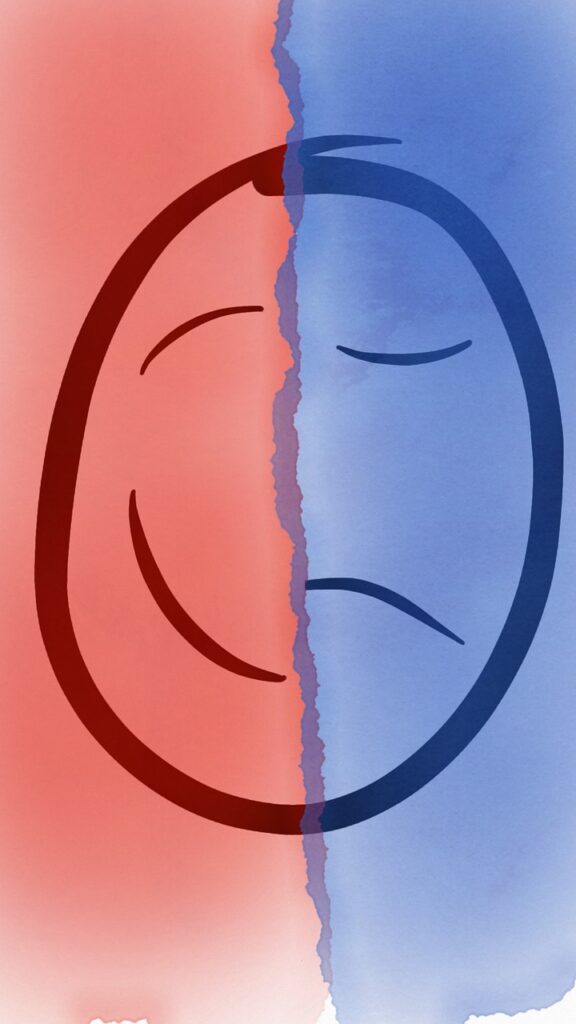
Hard to Live With Someone Bipolar
Living with someone who has bipolar disorder can feel like navigating a turbulent sea, where calm waters suddenly shift to storms without warning, so it is Hard to Live with Someone Bipolar.
You might find yourself on an emotional rollercoaster, trying to understand their highs and lows while grappling with your own feelings of confusion and frustration.
It’s essential to recognize how this dynamic affects you both, yet many struggle to find effective ways to cope.
What if there were strategies that could help you both manage these challenges more effectively?
Let’s explore some of those approaches together.
Understanding Bipolar Disorder
Understanding bipolar disorder starts with recognizing it as a complex mental health condition that affects mood regulation with Hard to Live with Someone Bipolar.
You might notice extreme highs, known as manic episodes, and deep lows, called depressive episodes.
These mood swings can vary in duration and intensity, often impacting daily life and functioning.
People with bipolar disorder may experience periods of intense energy, creativity, and increased activity during manic phases.
However, during depressive episodes, they might feel hopeless, lethargic, and struggle to find joy in activities they once loved.
It’s essential to understand that these fluctuations aren’t merely mood swings; they can significantly disrupt a person’s life and relationships.
Diagnosis typically involves a thorough evaluation by a mental health professional, who’ll assess the frequency and severity of mood changes.
Treatment often includes medication and therapy, which can help manage symptoms and improve stability.
As you learn more about bipolar disorder, remember that empathy and patience are vital.
Understanding this condition can help you support your loved one effectively and foster a healthier environment for both of you.
Emotional Impact on Relationships
Living with someone who’s bipolar disorder can profoundly affect your relationship.
You might experience a rollercoaster of emotions as your partner cycles through highs and lows.
During manic phases, their energy can be exhilarating, but it can quickly shift to irritability or anger.
You may find yourself walking on eggshells, unsure of which mood will surface next.
Communication can become strained.
When your partner is in a depressive state, they might withdraw emotionally, leaving you feeling isolated and confused.
Conversely, in a manic episode, they may be overly talkative or distracted, making it hard for you to connect.
This inconsistency can lead to feelings of frustration and helplessness.
You might also grapple with guilt.
You may question whether you’re doing enough to support them or wonder if you’re the cause of their distress.
Over time, this emotional burden can wear you down, making it difficult to maintain your own mental health.
Ultimately, the emotional impact of living with someone who’s bipolar disorder can be profound.
It’s essential to recognize these feelings and understand their source to foster a healthier dynamic in your relationship.
Coping Strategies for Loved Ones
While it can be challenging to support a partner with bipolar disorder, there are effective coping strategies you can adopt to help both yourself and your loved one.
First, prioritize self-care. Make sure you allocate time for your own mental health, whether that’s through exercise, hobbies, or simply resting.
This balance helps you stay resilient.
Establish routines that provide stability for both of you.
Predictability can be comforting during mood swings, so try to maintain regular meal times and sleep schedules.
Encourage your partner to stick to their treatment plan, whether it involves medication or therapy, and gently remind them when necessary.
Set boundaries to protect your emotional well-being.
It’s okay to express when you need space or time to recharge.
Be patient and listen actively when your partner wants to talk, but don’t feel obligated to solve every problem they face.
Consider joining support groups for caregivers.
Sharing experiences with others can provide invaluable insights and reduce feelings of isolation.
Lastly, educate yourself about bipolar disorder while finding it Hard to Live with Someone Bipolar.
Understanding the condition can empower you to navigate challenges more effectively and foster empathy and compassion in your relationship.
Communication Tips and Techniques
Effective communication can significantly enhance your relationship with a partner who’s bipolar disorder.
Start by being open and honest about your feelings but choose your words carefully.
Use “I” statements, like “I feel concerned when…” to express your emotions without sounding accusatory.
This approach fosters understanding and reduces defensiveness.
It’s crucial to listen actively.
Pay close attention to your partner’s feelings and thoughts, and validate their experiences.
Phrases like “I understand this is difficult for you” can go a long way in showing support.
During mood swings, remain calm and patient; emotions can run high, and your steady presence can help ground the situation.
Timing matters too. Avoid discussing heavy topics during high-stress moments.
Instead, find a calm time to talk when both of you can focus.
Setting boundaries around communication can also be beneficial.
Agree on signals that indicate when one of you needs space or when it’s time to talk.
Lastly, be aware of non-verbal cues.
Body language and tone matter just as much as words.
By nurturing open dialogue, you’ll create a more supportive environment for both of you to thrive.
When to Seek Professional Help
Recognizing when to seek professional help can be crucial in managing bipolar disorder effectively.
If you notice that your loved one’s mood swings are becoming more severe or frequent, it’s time to reach out for support.
Sudden changes in behavior, such as increased irritability, impulsivity, or withdrawal, may signal an impending crisis.
You should also pay attention to any signs of depression, like persistent sadness or a loss of interest in activities they once enjoyed.
If they express thoughts of self-harm or suicide, don’t hesitate to seek immediate help.
If your partner’s current treatment isn’t working or you notice they’re not adhering to their medication regimen, it’s essential to consult a mental health professional.
Their well-being relies on effective communication with healthcare providers, which you can facilitate.
Additionally, if you find it increasingly difficult to cope with their mood swings or if your own mental health is suffering, consider seeking counseling for yourself.
Living with someone who has bipolar disorder can be tough, but understanding their condition and its effects on your relationship is crucial.
By implementing coping strategies, maintaining open communication, and knowing when to seek professional help, you can foster a supportive environment for both of you.
Remember, it’s okay to feel overwhelmed at times—prioritizing your own well-being is just as important.
Together, you can navigate the ups and downs of this emotional journey while Hard to Live With Someone Bipolar.