Foods That Help With Fighting Depression
When looking to uplift your mood and support mental well-being, turning to specific foods can make a noticeable difference.
Incorporating certain fruits and vegetables, along with essential nutrients like Omega-3 fatty acids and Vitamin D, can be beneficial in combating feelings of depression.
But what about the lesser-known options that could potentially have a significant impact on your mental health?
Stay tuned to discover some unexpected yet powerful foods that might just be the missing piece in your quest for emotional balance.
Mood-Boosting Fruits and Vegetables
To elevate your mood naturally, include a variety of mood-boosting fruits and vegetables in your daily diet.
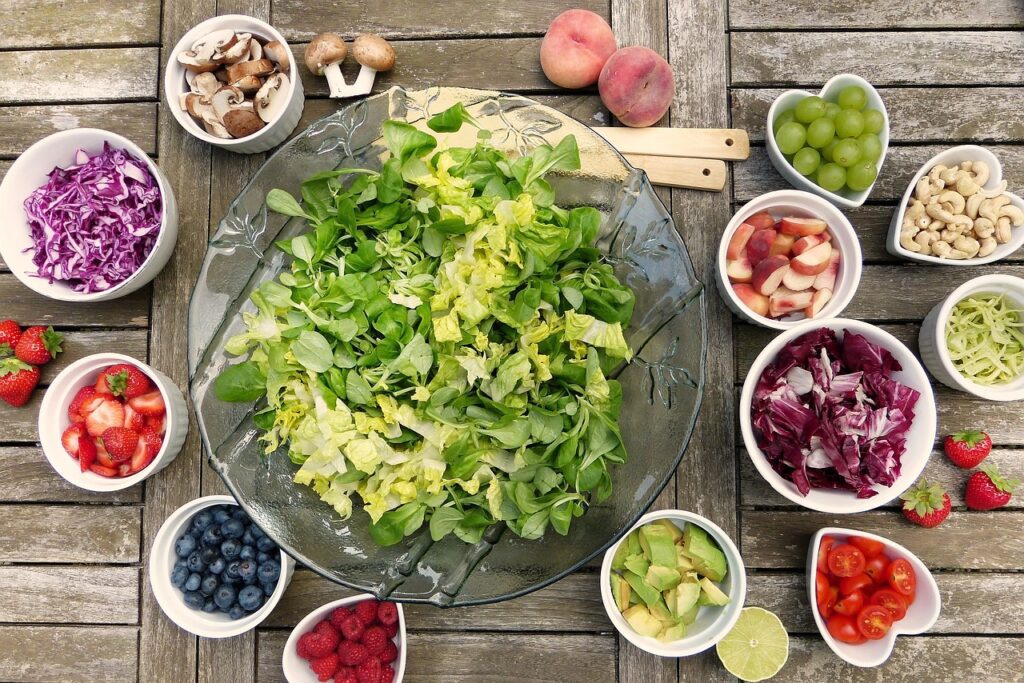
Consuming colorful fruits like berries, oranges, and bananas can help increase dopamine levels in your brain, which is linked to happiness and pleasure.
Vegetables such as spinach, kale, and broccoli are rich in folate, a nutrient that may help alleviate symptoms of depression by regulating mood-regulating neurotransmitters like serotonin.
Adding avocados, known for their omega-3 fatty acids, can also contribute to boosting your mood.
Incorporating these mood-boosting fruits and vegetables into your meals can have a significant impact on your overall well-being.
Try starting your day with a refreshing fruit smoothie or including a side salad with your lunch and dinner.
Snack on crunchy carrots or bell peppers with hummus for a satisfying and mood-enhancing treat.
By making these simple yet effective dietary changes, you can take positive steps toward improving your mental health and combating feelings of depression.
Omega-3 Fatty Acids
Incorporate foods rich in omega-3 fatty acids to support your mental well-being and combat symptoms of depression.
Omega-3 fatty acids are essential nutrients that play a crucial role in brain function and can help alleviate feelings of depression.
Fatty fish like salmon, mackerel, and sardines are excellent sources of omega-3s. Including these fish in your diet a few times a week can provide you with a significant amount of these beneficial fats.
If you’re not a fan of fish, other options rich in omega-3 fatty acids include flaxseeds, chia seeds, walnuts, and hemp seeds.
These plant-based sources offer a great alternative for individuals following a vegetarian or vegan diet.
Adding these seeds to your smoothies, salads, or oatmeal can be an easy way to boost your omega-3 intake.
Research suggests that omega-3 fatty acids may help reduce inflammation and promote healthy brain function, potentially easing symptoms of depression.
Probiotic-Rich Foods
Boost your mental well-being by incorporating probiotic-rich foods into your diet.
Probiotics are beneficial bacteria that can help improve your gut health, which in turn has a positive impact on your mental health.
Foods like yogurt, kefir, sauerkraut, kimchi, miso, and tempeh are excellent sources of probiotics that you can easily include in your meals.
Yogurt is one of the most popular probiotic-rich foods and can be enjoyed on its own or added to smoothies and dips.
Kefir, a fermented milk drink, is another great option that can provide even more probiotics than yogurt.
Sauerkraut, a tangy fermented cabbage dish, is a tasty addition to sandwiches or salads. Kimchi, a spicy Korean side dish made from fermented vegetables, adds a flavorful kick to rice bowls or tacos.
Including probiotic-rich foods in your diet can help maintain a healthy balance of gut bacteria, which may contribute to alleviating symptoms of depression and anxiety.
Make sure to incorporate a variety of these foods to reap the maximum benefits for your mental well-being.
Foods High in Vitamin D
Including foods high in Vitamin D in your diet can play a crucial role in supporting your mental health and potentially alleviating symptoms of depression.
Vitamin D is often referred to as the ‘sunshine vitamin’ because our skin produces it in response to sunlight
. However, during periods of limited sun exposure, incorporating foods rich in Vitamin D becomes essential.
Fatty fish like salmon, tuna, and mackerel are excellent sources of Vitamin D.
Including these fish in your meals can’t only boost your Vitamin D intake but also provide you with omega-3 fatty acids, which have been linked to improved mood and brain health.
Egg yolks are another food high in Vitamin D that you can easily incorporate into your diet.
They’re versatile and can be added to various dishes or consumed on their own as a nutritious snack.
Fortified foods such as fortified milk, orange juice, and cereals can also be valuable sources of Vitamin D.
Ensure to check labels to identify products that have been fortified with this essential nutrient to support your mental well-being.
Antioxidant-Packed Options
To further enhance your mental well-being and combat depression, consider adding antioxidant-packed options to your diet.
Antioxidants are powerful compounds that help protect your body’s cells from damage caused by free radicals, which can contribute to inflammation and oxidative stress – factors linked to depression.
Including foods rich in antioxidants in your meals can provide a natural defense mechanism against these harmful effects.
Berries, such as blueberries, strawberries, and raspberries, are excellent sources of antioxidants like vitamin C and flavonoids.
Nuts like almonds and walnuts are also packed with antioxidants, along with healthy fats that support brain health.
Dark leafy greens like spinach and kale offer a variety of antioxidants, vitamins, and minerals that promote overall well-being.
Incorporating antioxidant-packed options into your daily meals can’t only boost your mood and mental clarity but also support your body’s ability to combat stress and inflammation.
By making these nutritious choices, you’re taking proactive steps toward improving your mental health and fighting off the symptoms of depression.
Incorporating mood-boosting fruits and vegetables, omega-3 fatty acids, probiotic-rich foods, Vitamin D sources, and antioxidant-packed options into your diet can help in fighting depression.
By nourishing your body with these nutrient-rich foods, you’re providing it with the necessary tools to support mental health and overall well-being.
Make small changes to your diet to incorporate these foods and notice the positive impact they can have on your mood and mindset.
These are the Foods That Help With Fighting Depression