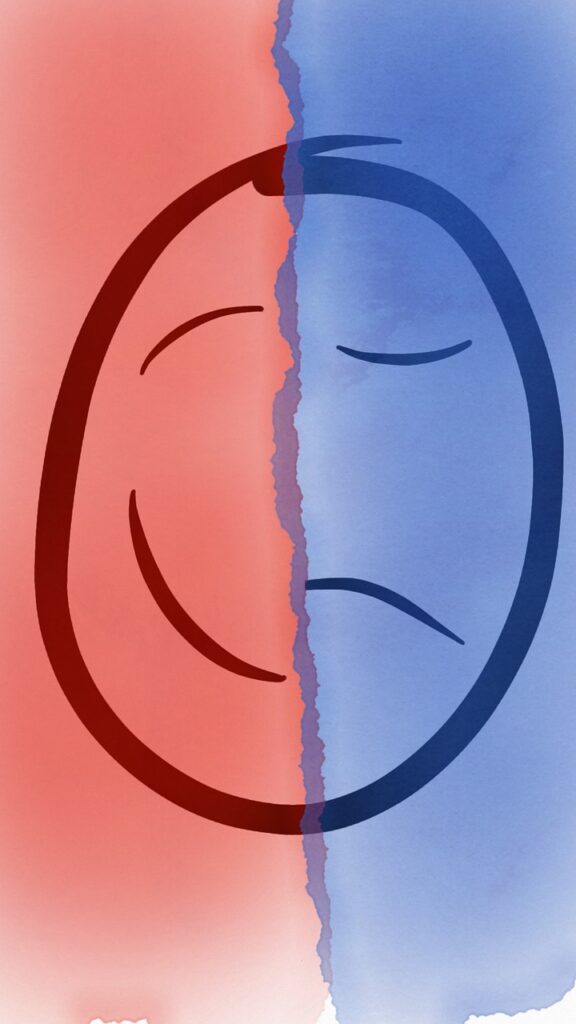
Types Of Bipolar Disorder
As you explore the realm of bipolar disorder, you may find yourself intrigued by the diverse manifestations it can take.
From the intense highs of Bipolar I to the subtler shifts of Cyclothymic Disorder, each type offers a unique perspective on the rollercoaster of mood fluctuations.
Understanding these distinctions can provide valuable insights into the complexities of this condition and pave the way for more personalized treatment approaches.
Stay tuned to uncover the nuances of each type and how they impact individuals in distinct ways.
Bipolar I Disorder
Bipolar I Disorder is characterized by manic episodes lasting at least seven days or requiring immediate hospital care.
During these manic episodes, you may feel unusually energetic, talkative, or elated.
Your thoughts might race, leading to poor decision-making or risky behaviors.
It can be challenging to focus or sleep, and you may engage in activities that are out of character for you.
In addition to manic episodes, individuals with Bipolar I Disorder also experience depressive episodes.
These periods are marked by feelings of sadness, hopelessness, or loss of interest in activities you once enjoyed.
You may struggle with fatigue, changes in appetite, or thoughts of death or suicide.
The shifts between these manic and depressive states can be disruptive to your daily life and relationships.
If you suspect you have Bipolar I Disorder, it’s crucial to seek help from a mental health professional.
Proper diagnosis and treatment, which may include medication and therapy, can help you manage your symptoms and lead a fulfilling life.
Bipolar II Disorder
Individuals with Bipolar II Disorder experience episodes of hypomania and depression, which differ from the manic episodes seen in Bipolar I Disorder.
Hypomania involves symptoms like feeling euphoric, energetic, and productive, but to a lesser extent than full-blown mania.
During depressive episodes, individuals may feel sad, and hopeless, and lose interest in activities they once enjoyed.
One key feature of Bipolar II Disorder is that individuals never experience a full manic episode, only hypomanic episodes.
These episodes are less severe and disruptive compared to the manic episodes seen in Bipolar I Disorder.
However, the depressive episodes can be just as debilitating and long-lasting.
Diagnosing Bipolar II Disorder can be challenging as the hypomanic episodes may go unnoticed or be mistaken for periods of high productivity.
It’s essential to seek help from a mental health professional if you suspect you may have Bipolar II Disorder, as proper diagnosis and treatment are crucial for managing the condition effectively.
Cyclothymic Disorder
Diagnosing Cyclothymic Disorder can present a challenge due to its chronic and fluctuating nature.
This condition is characterized by numerous periods of hypomanic symptoms and mild depressive symptoms that last for at least two years in adults, or one year in children and adolescents.
Individuals with Cyclothymic Disorder may experience frequent mood swings, but these mood changes aren’t as severe as those seen in other types of bipolar disorder.
People with Cyclothymic Disorder may find it challenging to maintain stable relationships or hold down a job due to the unpredictable nature of their moods.
While the symptoms are less intense compared to other forms of bipolar disorder, the chronicity of the condition can still significantly impact daily functioning.
Treatment for Cyclothymic Disorder often involves a combination of therapy and medication to help stabilize mood fluctuations.
Individuals with this disorder need to work closely with mental health professionals to manage their symptoms effectively and improve their quality of life.
Other Specified Types
Other specified types of bipolar disorder encompass a range of presentations that don’t fit the criteria for the standard diagnostic categories.
These specific subtypes are identified when an individual’s symptoms cause significant distress or impairment but don’t perfectly align with the established criteria for bipolar I or II disorders.
For example, some individuals may experience rapid mood swings that don’t meet the specific timeframes outlined in traditional bipolar diagnoses.
Others may exhibit a chronic pattern of fluctuating mood states that don’t fit the criteria for cyclothymic disorder.
Additionally, individuals who’ve recurring hypomanic episodes without a history of major depressive episodes could fall under this category.
The classification of other specified types allows for a more nuanced understanding of bipolar presentations that don’t neatly fit into the classic definitions of the disorder.
This recognition is crucial for ensuring appropriate diagnosis and treatment for individuals with diverse manifestations of bipolar symptoms.
Unspecified Bipolar Disorder
Understanding Unspecified Bipolar Disorder can be challenging due to its ambiguous presentation and deviation from standard diagnostic criteria.
This category is used when a person’s symptoms don’t fit into the classic definitions of Bipolar I or Bipolar II disorder.
It may be due to atypical symptom patterns, mixed features, or inadequate information available for a more specific diagnosis.
Individuals with Unspecified Bipolar Disorder often experience mood swings, ranging from manic to depressive episodes, but these fluctuations may not meet the exact duration or severity criteria outlined for other subtypes.
This can make it harder to pinpoint the most effective treatment approach, as the presentation varies widely among affected individuals.
Healthcare providers must conduct thorough assessments and closely monitor symptoms in cases of Unspecified Bipolar Disorder.
This ongoing evaluation helps in identifying any shifts in mood patterns or the emergence of new symptoms that could guide more precise diagnosis and personalized treatment plans.
In conclusion, understanding the different types of bipolar disorder is essential for accurate diagnosis and effective treatment.
Whether you experience manic episodes, hypomanic and depressive episodes, mild mood swings, or symptoms that don’t fit standard criteria, seeking professional help is key.
By recognizing the nuances of each type, individuals can access the appropriate support and resources needed to manage their condition and improve their quality of life.